

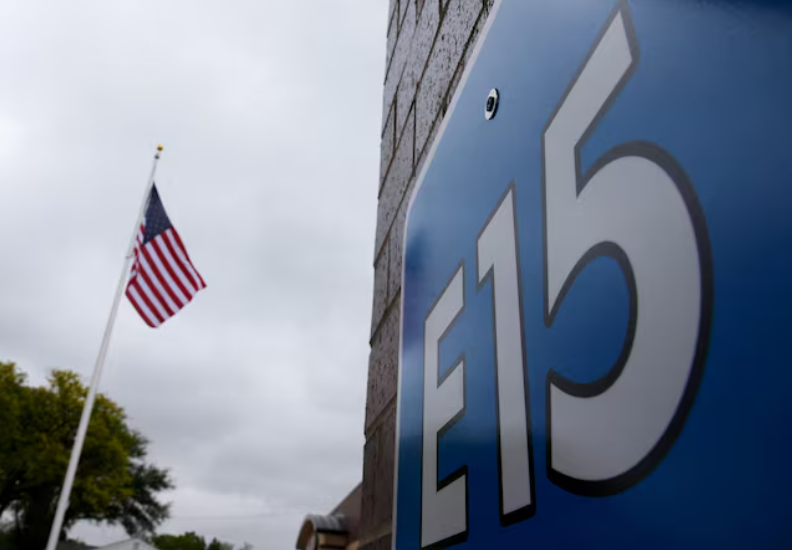
Supporters of a proposal to allow year-round nationwide sales of higher-ethanol E15 gasoline are mounting an intensive effort to secure Senate approval, with the measure representing the final major hurdle before it can be sent to President Donald Trump for signing into law.
The legislation, which narrowly passed the House of Representatives in May, has exposed deep divisions between farm-state lawmakers seeking to boost demand for corn-based ethanol and senators from refining states concerned about the costs and operational impacts of biofuel blending requirements.
Backers of the measure are pursuing a strategy of attaching the E15 provision to larger must-pass legislation, such as the Farm Bill or annual appropriations bills, as prospects for standalone passage remain uncertain in the closely divided Senate.
The proposal faces the challenge of overcoming the Senate’s 60-vote filibuster threshold, requiring supporters to build a broad bipartisan coalition amid competing agricultural, energy and regional interests.
Negotiations have focused heavily on protections for small refineries, with Republican senators including John Barrasso and John Boozman seeking assurances that financially strained refiners can continue to qualify for exemptions from federal biofuel blending mandates.
A key point of contention is a provision allowing exemptions for refineries averaging 75,000 barrels per day or less, which some lawmakers argue would exclude most of the refining industry from relief measures.
Industry groups and lawmakers are exploring adjustments to the exemption threshold and reviewing how larger refiners could compensate for blending volumes not covered by exempt facilities in an effort to secure broader support.
Biofuel advocates also anticipate Democratic lawmakers may seek concessions on unrelated policy priorities, potentially turning the legislation into a wider bargaining tool during Senate negotiations.
The Renewable Fuels Association said discussions between senators from agricultural and refining states are continuing in search of a compromise that could unlock sufficient votes for passage before the end of September.
If the current effort fails, supporters plan to revive the measure through future legislative vehicles, including the 2027 appropriations process, underscoring the long-running political struggle over expanding E15 fuel sales across the United States.