

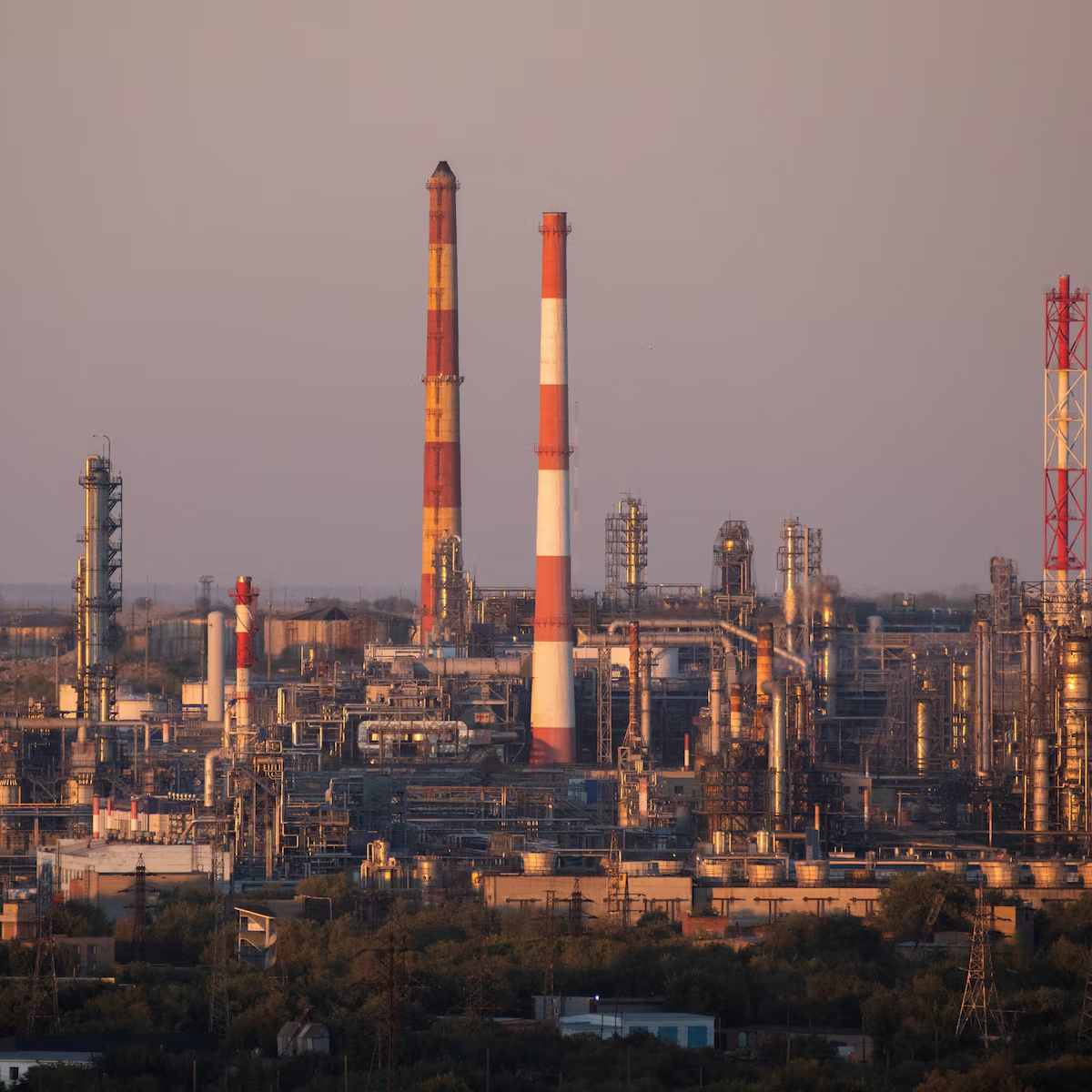
Russia is preparing to reduce crude oil exports from its western ports—Primorsk, Ust-Luga, and Novorossiisk—by about 6% in September, according to industry sources. Shipments are expected to average around 1.9 million barrels per day, down from 2.0 million bpd in August.
The decline will affect major crude grades including Urals, KEBCO, and Siberian Light, Reuters data shows. The move follows the completion of maintenance at several domestic refineries, allowing Russia to channel more crude into local processing rather than overseas shipments.
Industry sources noted that the restart of refining units in late August and early September is driving the reduction in exports. However, delays in maintenance schedules or disruptions caused by drone strikes on oil plants and infrastructure could alter September’s export flows.
Russia had raised exports significantly in August after a series of drone attacks temporarily shut down some refineries. This created surplus crude for foreign buyers, pushing shipments about 200,000 barrels per day above the provisional plan.
Looking ahead, refinery activity is expected to rise, with idle refining capacity projected to fall to 5.5 million metric tons in September from a record 6.4 million tons in August. This suggests Russia will keep prioritizing domestic fuel output over foreign crude sales.
The adjustment underscores Moscow’s balancing act between supporting domestic energy needs and maintaining a strong presence in global oil markets.
If drone attacks or external pressures persist, Russia may be forced to revise its export strategy yet again.
For now, the September outlook points to tighter export availability, especially for Europe and Asia, where Russian crude remains in steady demand.
The planned cut is part of broader supply shifts as Russia navigates operational challenges and geopolitical tensions.
With exports trimmed and refineries back online, Russia aims to stabilize its energy sector while managing both domestic supply and international commitments.