
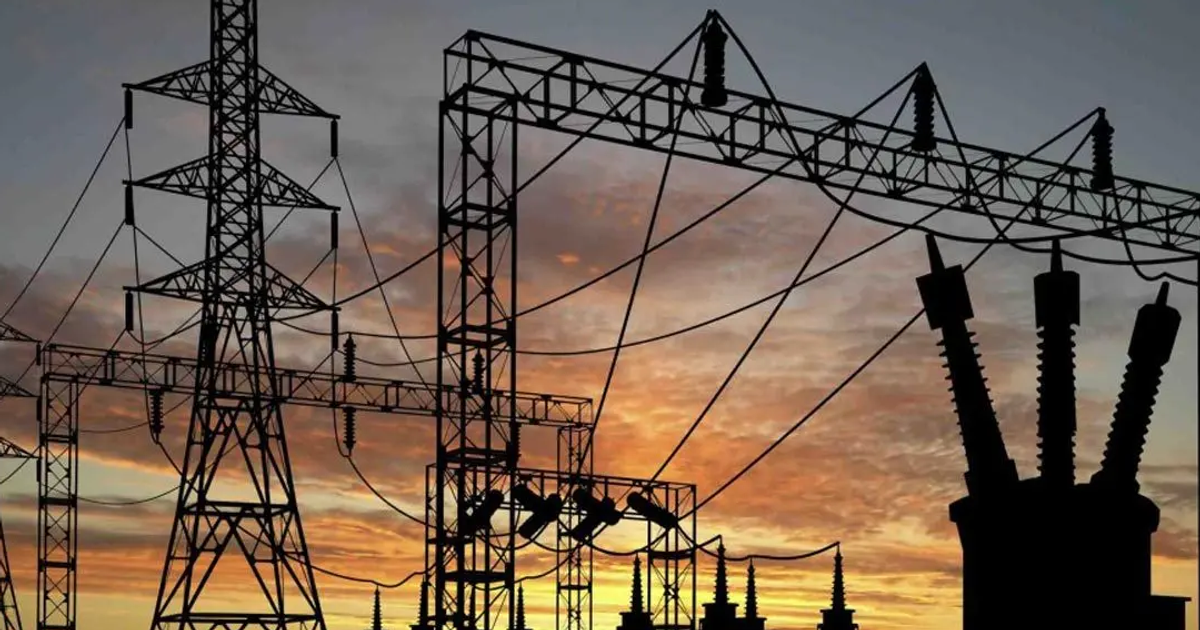

Nigeria’s recent proposal to expand electricity exports to more neighbouring countries has revived a familiar and emotionally charged national debate: should Nigeria sell power abroad while millions of its citizens remain in darkness?
At face value, the policy appears attractive. Nigeria already exports electricity to Benin, Niger and Togo under the West African Power Pool (WAPP) arrangement. Power supply to Benin and Togo began in 2007 through the CEB–NEPA interconnection, while exports to Niger commenced in 2011. By early 2025 alone, electricity exports to Benin and Niger reportedly generated about $112 million in revenue.
From an economic and diplomatic standpoint, expanding exports makes sense. Electricity exports provide foreign exchange earnings, help diversify revenue beyond oil, and offer much-needed liquidity to power generation and transmission companies struggling with debt and inefficiency. Regionally, expanded exports could strengthen Nigeria’s geopolitical influence, reinforce its leadership role in West Africa, and position the country as a sub-regional energy hub. A larger export market could also attract private investment into gas-fired and renewable generation, create jobs, and improve technical capacity within the sector.
Yet beneath these benefits lies a troubling contradiction.
Nigeria’s domestic electricity supply remains grossly inadequate. Despite an installed capacity officially estimated at 13,000–13,600 MW, actual deliverable power is widely believed by industry experts to hover between 4,000 and 5,000 MW, with significant losses across transmission and distribution. Grid collapses, load shedding and erratic supply are routine. Households and businesses rely heavily on diesel and petrol generators, pushing up production costs, inflation and the overall cost of living.
In this context, exporting electricity appears insensitive and inequitable. The immediate fear among Nigerians is that power exports could worsen domestic shortages, justify higher tariffs, and effectively result in Nigerians subsidising electricity for other countries while paying more for unreliable supply at home.
Accountability is another major concern. Past export arrangements have reportedly resulted in payment defaults. According to figures released by the Nigerian Electricity Regulatory Commission (NERC), Benin, Togo and Niger collectively owed Nigeria about $17.8 million (₦25 billion) in unpaid electricity bills by the third quarter of 2025. Limited transparency around the volume of electricity exported and the actual revenue earned further complicates public trust in these agreements.
Without substantial investment in transmission infrastructure, expanded exports also risk placing additional strain on an already fragile national grid, potentially worsening supply conditions for domestic consumers.
The issue, therefore, is not whether Nigeria should export electricity, but how and when.
The way forward lies in sequencing and safeguards, not outright rejection. Power exports should expand only alongside verifiable and sustained improvements in domestic supply. Export contracts must be transparent, commercially sound and strictly enforced, with revenues clearly reinvested into strengthening generation, transmission and distribution within Nigeria.
Ultimately, electricity exports must complement—not compromise—power availability for Nigerian homes and businesses. Any policy that prioritises regional ambition over domestic energy security risks deepening public distrust and social discontent.