

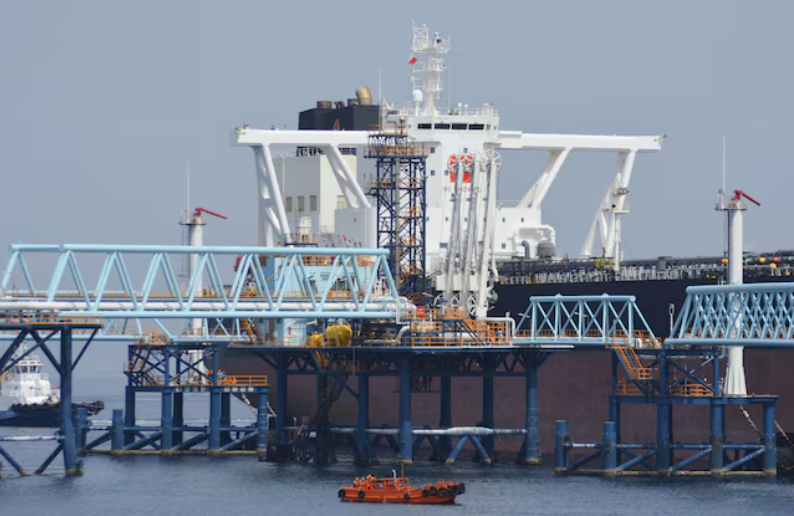
Japan will release an additional 20 days’ worth of oil from its strategic reserves starting in May, Prime Minister Sanae Takaichi told a cabinet meeting on Friday, as the country moves to stabilise domestic energy supply.
The decision comes as global oil flows remain strained by tensions in the Middle East, particularly disruptions linked to restricted shipping through the Strait of Hormuz, a critical artery for global crude trade.
Despite a temporary ceasefire between the United States and Iran, there has been no easing of Iran’s near-total blockade of the waterway, prolonging supply uncertainty.
Japan, which relies on the Middle East for about 95% of its crude imports, had already begun releasing reserves in March under a broader plan to make up to 50 days’ supply available.
As of early April, the country held oil reserves equivalent to 228 days of consumption, including 143 days in government stockpiles, from which the additional release will be drawn.
Officials said Tokyo is acting independently while continuing coordination with the International Energy Agency to manage the crisis.
Japan is also accelerating efforts to diversify supply, with imports from the United States expected to quadruple in May compared with a year earlier.
Authorities are sourcing crude from alternative producers including Malaysia, Brazil and Nigeria, while tapping Middle Eastern routes that bypass Hormuz.
These include shipments via Saudi Arabia’s Red Sea port of Yanbu and the UAE’s Fujairah hub.
The government has also directed suppliers to prioritise fuel deliveries to critical sectors such as healthcare, transport and agriculture to cushion the economic impact of the supply shock.