

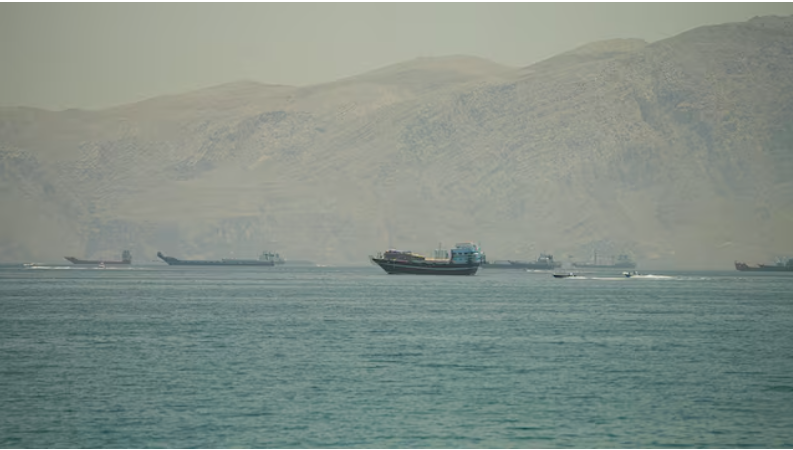
Iraq is expanding crude oil and naphtha exports through Syria’s Mediterranean ports after the Iran war disrupted shipping through the Strait of Hormuz, officials from both countries said. The move builds on an existing arrangement under which Iraqi fuel oil has been transported across Syria and re-exported from the port of Baniyas.
The strategy is aimed at reducing Iraq’s heavy reliance on its southern Gulf export terminals, particularly Basra, which handled the majority of the country’s 3.4 million barrels per day of exports before the conflict. Iraqi officials said diversification efforts will continue even after Hormuz shipping returns to normal.
Iraqi Oil Ministry spokesperson Saleem al-Rikabi said Baghdad and state marketer SOMO are continuing discussions with Syrian authorities to expand export operations through Syrian territory as part of a long-term government policy.
Syrian officials confirmed that fuel shipments through Baniyas are continuing and that additional unloading facilities are being prepared to accommodate crude oil and naphtha exports. The port currently handles up to 900 tanker trucks daily, with new infrastructure expected to come online within days.
The alternative route emerged after the closure of the Strait of Hormuz left Iraq seeking new export channels and facing storage constraints. Since April, millions of barrels of Iraqi fuel oil have been trucked across Syria for export to markets in Africa and Europe.
The arrangement also provides economic benefits for Syria, which earns transit-related fees from the shipments. Under President Ahmed al-Sharaa, Damascus is seeking to rebuild its economy and strengthen regional trade ties following years of conflict and isolation.
Despite logistical challenges, including damaged roads, transport bottlenecks and occasional disruptions, Iraqi authorities remain committed to maintaining and expanding the corridor. Syria is also working to rehabilitate the Iraq-Syria oil pipeline, which could eventually carry up to 300,000 barrels per day and offer a more efficient export route.