
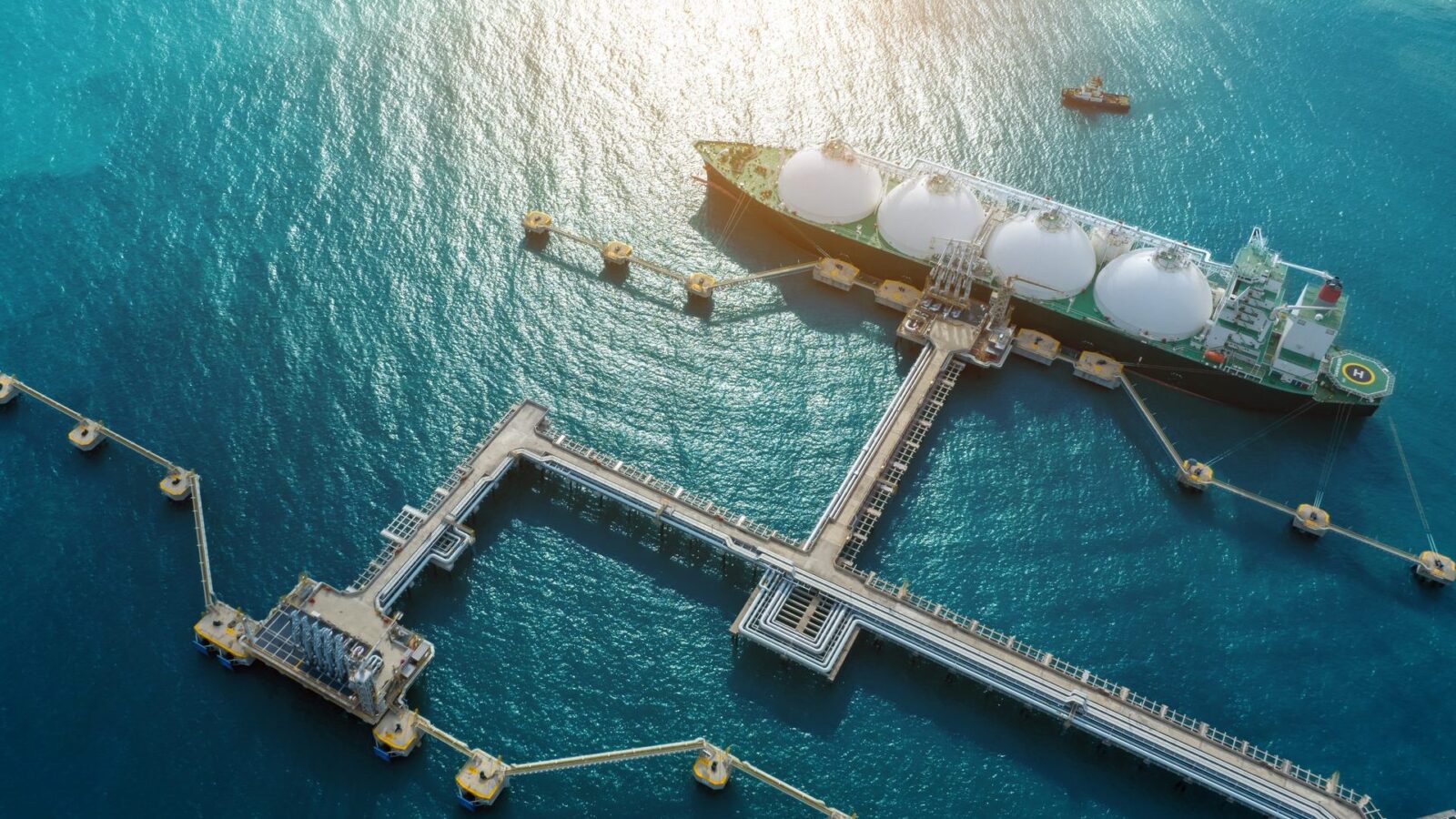

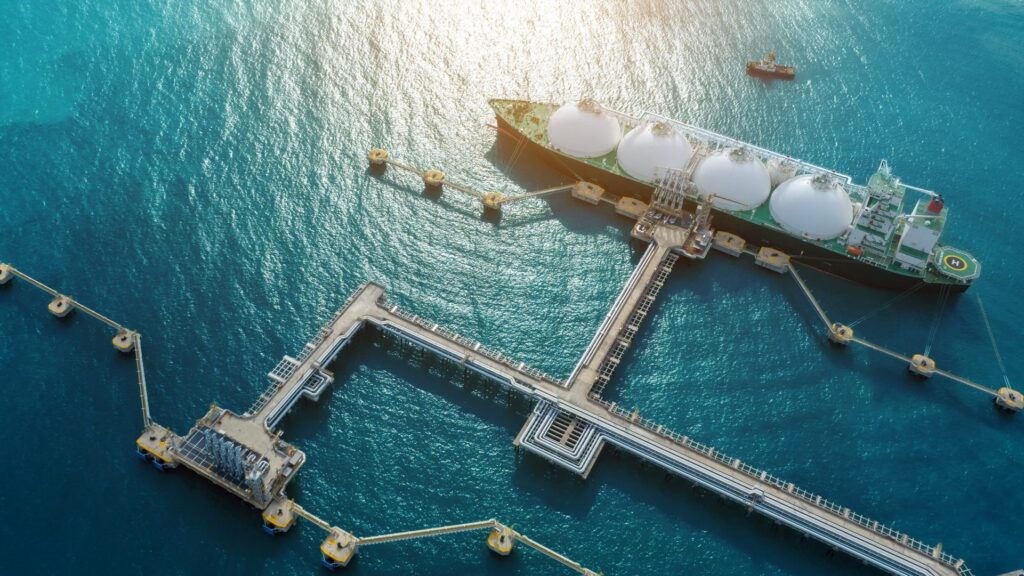
The global liquefied natural gas (LNG) market is heading toward a supply glut beginning in 2026, after several years of tightness following Russia’s invasion of Ukraine. Prices, which soared during the energy crisis, could soon fall to their lowest levels in years.
The International Energy Agency projects the sharpest jump in LNG production since 2019, fueled largely by new U.S. projects such as Venture Global’s Plaquemines plant in Louisiana and upcoming expansions in Texas and Qatar. Exports from the U.S. are already climbing rapidly, with output nearly 19% higher in the first half of this year compared with 2024.
At the same time, China once seen as the main driver of LNG demand is cutting back on imports. Rising domestic gas production and a landmark pipeline agreement with Russia are reducing its need for overseas shipments, dampening expectations of long-term demand growth.
Industry leaders meeting this week at the Gastech conference in Milan are debating how the wave of new capacity could reshape global energy flows. While the short-term outlook remains tight, experts expect prices to ease gradually from late 2026, offering relief to consumers worldwide.
According to BNP Paribas, LNG supplies will lengthen into 2027, creating a surplus that may lower costs for households and industries while accelerating the shift away from coal and oil. However, Europe still faces a fragile winter ahead, with inventories below average and competition with Asia for cargoes.
By 2030, more than 174 million metric tons of new liquefaction capacity are expected to lift annual global supply by 42% to nearly 600 million tons, though delays at projects such as Golden Pass in Texas highlight potential risks.
Qatar’s North Field East expansion, set to begin exports in 2026, will mark the nation’s largest output boost since 1997. Developers across the U.S. and Middle East are betting on long-term demand, with Shell forecasting a 60% jump in global LNG consumption by 2040.
Yet the balance may tilt further if sanctions on Russia shift. Moscow’s Arctic LNG 2 project, though restricted, recently managed a cargo to China, raising questions about how much additional supply could hit the market.
BloombergNEF expects supply to consistently exceed demand from 2027 to 2030. Analysts at Morgan Stanley and BNP Paribas predict European and Asian gas prices could fall below $10 per million British thermal units by late 2026 and even drop to $8 in 2027, reshaping global energy economics.