

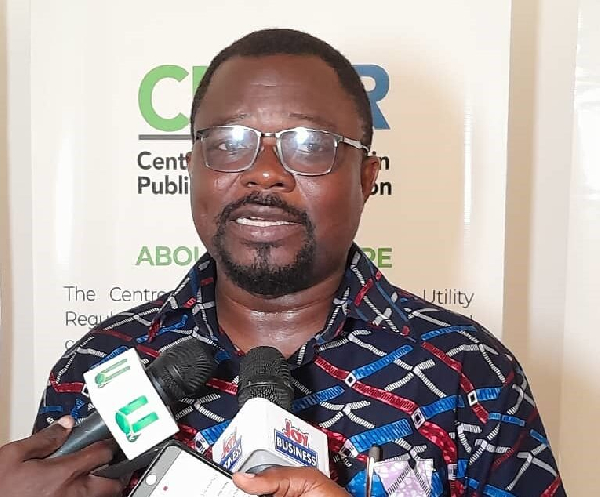
Ghana will require an estimated $562 billion by the year 2070 to fully implement its energy transition plan, according to Dr. Robert Sogbadji of the Ministry of Energy. This long-term strategy includes a range of renewable and nuclear energy projects aimed at cutting carbon emissions and boosting national energy security.
Dr. Sogbadji shared these insights on May 21 during a stakeholder engagement in Accra, where he emphasized the need for nationwide participation and awareness in the energy transition framework. He noted that all districts and regions must contribute to achieving the country’s energy goals.
As part of the plan, Ghana will begin constructing its first nuclear power facility in 2027—a major step toward diversifying its energy mix and ensuring sustainable power generation.
The country is also expanding solar infrastructure, with 33 new mini-grids under development to provide clean energy to island communities. These efforts reflect the government’s push to move away from fossil fuels.
Currently, over 89% of Ghanaians have access to electricity, and the Ministry of Energy aims to raise this figure through ongoing renewable energy initiatives.
Funding for the $562 billion transition will not rely solely on the government. Dr. Sogbadji stated that the private sector, development partners, and international financial institutions must also play vital roles.
The Ministry’s vision includes environmental protection, economic development, and improved energy access, aligning with global efforts to combat climate change.
Stakeholder engagement events like the one in Accra are part of broader efforts to build consensus and gather input on the national transition strategy.
Ultimately, Ghana’s ambitious energy transformation is designed to ensure long-term sustainability, reduce its carbon footprint, and power the nation’s future with clean, reliable energy.