
CLICK HERE TO ACCESS FULL MAGAZINE:
Leadership and Vision
- As the sole Ghanaian representative on the SPE International Board, how do you plan to leverage this unique position to benefit COMAC and the broader community?
As the sole Ghanaian on the SPE International Board, I see it as both a responsibility and an opportunity to bridge global technical excellence with local realities. I leverage this platform to spotlight the unique challenges and opportunities within Ghana’s downstream sector, advocating for strategic partnerships, technical training, and investment opportunities tailored to our context.
My dual role allows me to champion local content development, regulatory innovation, and energy transition strategies at the highest global levels, ensuring Ghana’s voice is not only heard but also shapes global discourse.
Through this, I bring back valuable insights, tools, and networks to COMAC and the wider Ghanaian energy community, fostering a future-ready industry that is globally informed and locally driven.
2. What inspired you to conceptualize and lead the organization of the COMAC Downstream Dialogue event, and how well do you feel the core vision you had for it was brought to life?
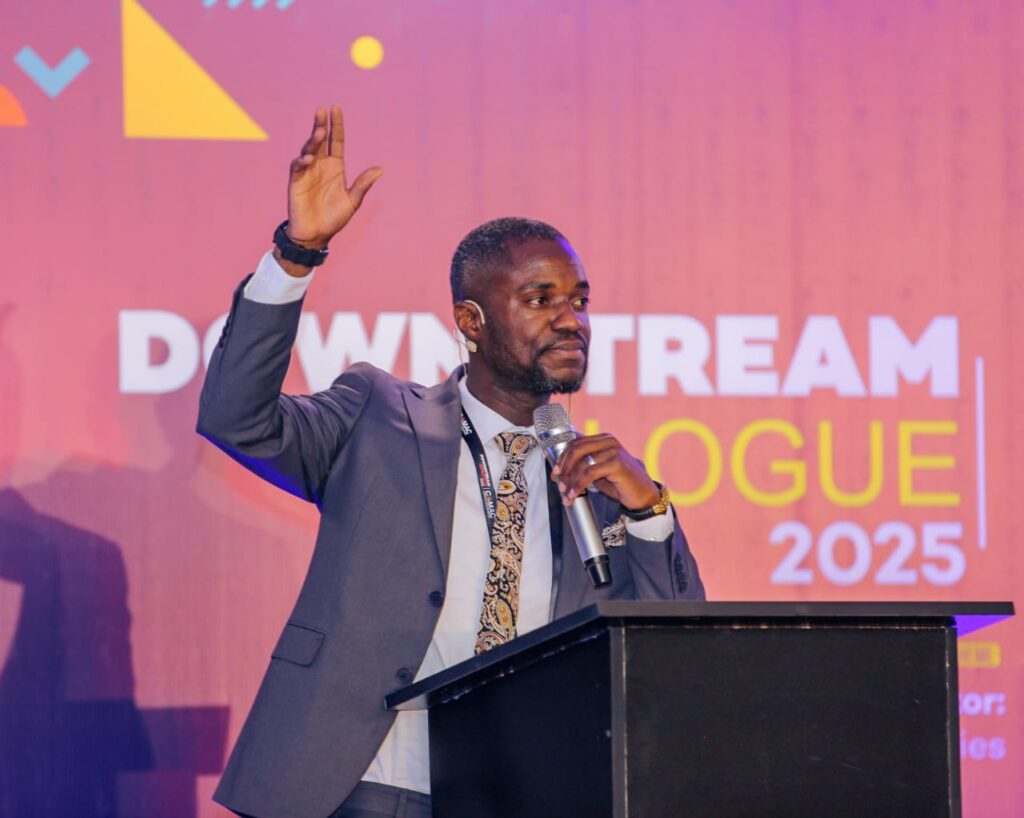
The COMAC Downstream Dialogue was born out of a clear recognition of the downstream petroleum sector’s instrumental role in Ghana’s economy, contributing 8.7% to GDP in 2023, and the urgent need to address its persistent challenges industry players face.
Issues like supply chain inefficiencies, regulatory hurdles, taxation pressures, and the global shift toward cleaner energy demanded a collaborative platform where stakeholders could strategize and innovate. As CEO of COMAC, I saw an opportunity to lead this effort, inspired by the sector’s potential to drive energy security, industrialization, and sustainable growth if these hurdles could be overcome.
My vision was to create a space for open dialogue among Oil marketing companies, regulators, government agencies, and financial institutions, fostering solutions that would shape the sector’s future. The event tackled five critical areas: policy reforms, local content, energy transition, safety standards, and financing, each reflecting the policy, stakeholder, and operations challenges industry players face.
I believe the core vision was fully realized as the Dialogue through;
- Robust Discussions: The five-panel structure facilitated in-depth, engaging, and practical conversations from industry players, regulators, and energy experts, yielding actionable recommendations like consolidating petroleum taxes and revising zonalization policies.
- Stakeholder Collaboration: The high-level participation from regulators like the National Petroleum Authority (NPA), Bulk Energy Storage and Transportation (BEST), and the Ministry of Energy ensured that the dialogue had real influence and attention of policymakers.
- The White Paper output: The resulting Downstream Dialogue White Paper consolidated the event’s key discussions and outcomes into a strategic blueprint for the sustainability of the downstream petroleum industry. This document currently serves as an actionable industry resource to drive change and catalyze action toward a more efficient and downstream petroleum industry.
3. What are your thoughts on the expectations of COMAC members, and how do you gauge their satisfaction with your leadership so far?
COMAC’s members have high expectations, and rightly so. They look for strong, strategic advocacy that protects their business interests, enhances their public image, and drives industry-wide progress. I fully recognize the legacy built since 2003 and understand the weight of leading an organization that plays such a pivotal role in Ghana’s downstream petroleum sector.
In response, I have brought renewed energy, bold vision, and a results-driven approach to the chamber’s leadership. Based on direct feedback and clear performance indicators, I gauge member satisfaction as high.
Some key milestones under my leadership include:
- Strengthened engagement with the regulators on key issues such as price floor implementation, zonalization, and debt restructuring.
- A measurable boost in regulatory compliance; now at 79.51% across retail and LPG outlets, with a 40% reduction in safety incidents.
- A well-received rebranding of COMAC that has elevated our industry presence and influence.
These outcomes reflect a more visible, responsive, and future-focused COMAC; one that I believe members increasingly see as a strong advocate and trusted partner in navigating the sector’s challenges and opportunities.
One-Year Anniversary in Office
4. In what ways do you see the COMAC Downstream Dialogue event contributing to the national or regional dialogue on energy, innovation, or investment, and were there any standout moments or key takeaways that personally resonated with you?
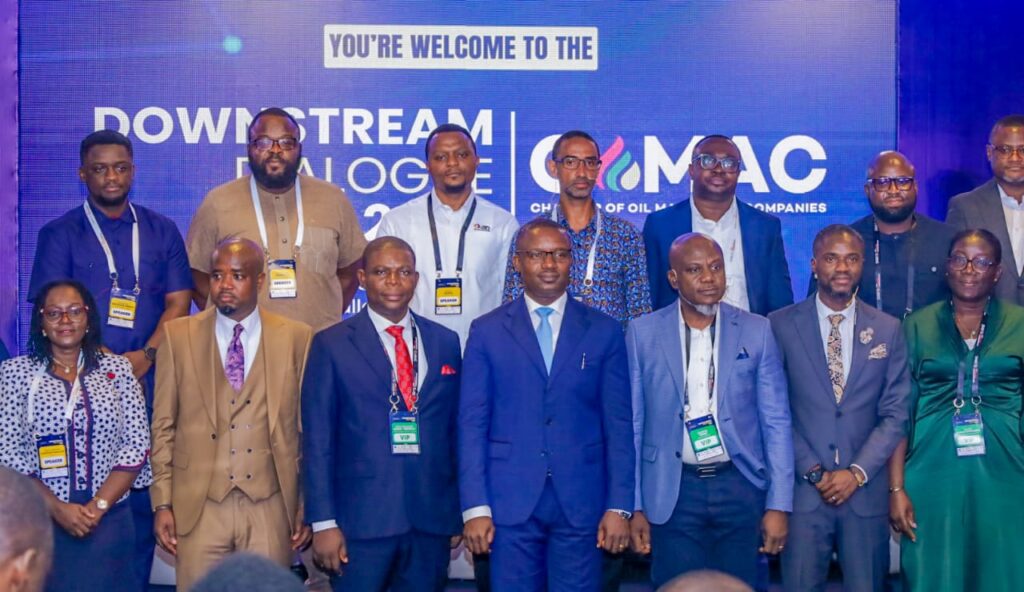
The COMAC Downstream Dialogue has significantly elevated the national and regional conversation on energy, innovation, and investment by placing the downstream sector’s challenges and opportunities at the forefront. Its contributions include:
- Amplifying Industry Perspectives: By uniting stakeholders; government, regulators, OMCs, and banks; the event ensured that the sector’s voice shapes national energy policies, particularly around fuel security and economic stability.
- Driving Policy Reform and Sustainable Innovation: The white paper’s recommendations such as streamlining petroleum taxes and launching clean energy innovations through a regulatory sandbox; offer a strategic pathway for sector reform. These proposals not only support Ghana’s National Energy Transition Framework but also position the energy sector as a proactive player in integrating biofuels and renewables. By aligning with regional sustainability goals and contributing to climate action dialogues, the sector reinforces its role in shaping a lower-carbon, innovation-driven future for Ghana and beyond.
- Attracting Investment: Proposals like the $50 million private equity fund for EV infrastructure and pipeline expansion signal to investors that the downstream sector is ripe for growth, especially when tied to environmental, social, and governance (ESG) objectives.
A standout moment for me occurred during the Energy Transition in the Downstream Petroleum Sector panel. The discussion highlighted the importance of a balanced approach to investing in both hydrocarbons and renewable energy, and drawing inspiration from global successful models to inform a uniquely Ghanaian pathway.
I believe such an approach is vital: one that harnesses our existing oil and gas resources to meet rising energy demands and ensure security, while simultaneously advancing renewable technologies to lower emissions. Our energy transition must reflect the specific needs and opportunities of our region, creating a framework that is both pragmatic and future-focused.
5. How would you describe the transformative vision you brought to COMAC, and what key milestones best exemplify this vision?
My transformative vision for COMAC is to evolve it into a vibrant and influential chamber that drives policy reform, industry collaboration, and champions the sustainable growth of Oil marketing companies in Ghana’s downstream petroleum sector.
I envision COMAC as a catalyst for a competitive, resilient industry that meets today’s energy needs while preparing for tomorrow’s challenges. This vision rests on three pillars: robust advocacy, industry innovation, and stakeholder collaboration.
Key milestones that exemplify this vision include:
- Driving Policy Advocacy & Industry Influence: Engagement with key government agencies and regulators, including the NPA, BEST, and the Ministries of Energy and Finance, in tackling critical issues such as price floor implementation, zonalization inefficiencies, and debt restructuring. The Chamber has also expanded its research efforts, producing policy papers to drive evidence-based decision-making.
- Pioneering the Downstream Dialogue: This flagship event united stakeholders to tackle pressing issues, producing a white paper that positions COMAC as an advocacy leader and policy influencer.
- Building Partnerships: Collaborations with KNUST, the Petroleum Hub Development Corporation, and the Ghana Association of Banks have bridged academia, industry, and finance, fostering innovation and growth of the business of Oil marketers.
- Rebranding to COMAC: Transitioning from the Association of Oil Marketing Companies (AOMC) to COMAC marked a strategic shift, enhancing our representation and strengthening our advocacy platform. It reflects a broader, more ambitious identity.
6. Under your leadership, COMAC achieved a 79.51% compliance rate across retail outlets and reduced safety incidents by 40%. What strategies underpinned this success, and how will COMAC sustain this progress?
Under my leadership as CEO/Industry Coordinator at COMAC, the achievement of a 79.51% compliance rate and a 40% reduction in safety incidents was driven by a multi-faceted strategy rooted in proactive risk management, stakeholder collaboration, and operational discipline.
- Central to this success were two key strategies:
- The design and implementation of a web-based checklist for operational audits across retail outlets.
- The transition to a risk-based compliance audit framework that prioritizes inspections based on outlet performance history, throughput volume, geographical risk factors, and past non-compliance records. This targeted approach ensured that high-risk outlets received focused attention and timely corrective action.
To sustain and build on its progress;
- COMAC will focus on regularly updating its web-based audit checklist to stay current with emerging risks and regulations, ensuring audits remain effective and user-friendly.
- The risk-based audit framework will be continuously refined using data analytics to target high-risk outlets more precisely, optimizing resource allocation. Ongoing capacity building and targeted training programs will reinforce operational discipline and safety awareness among retail outlet and refilling plant staff.
- Strong stakeholder engagement will be maintained through transparent communication of audit results and best practices, fostering continuous improvement.
- Finally, a performance monitoring system with incentives (safety awards) will motivate retail outlets and the refilling plant to sustain high compliance and safety standards. These initiatives collectively ensure that COMAC’s compliance gains and safety improvements are maintained and progressively enhanced.
Policy Advocacy and Industry Influence
7. What key challenges have you identified, and how do you plan to address them moving forward?
- In Ghana’s dynamic downstream petroleum sector, Oil marketers face a range of persistent challenges that can be grouped into three categories: policy, stakeholder, and operational.
- On the policy front, there are unresolved issues with the cross-zonalization policy framework, gaps in the deregulation policy, and the uneven implementation of the Cylinder Recirculation Model (CRM). These create market inefficiencies and operational uncertainty.
- Stakeholder challenges mainly revolve around bureaucratic delays and administrative inefficiencies from regulatory bodies, which slow down and frustrate business processes. Operationally, marketers grapple with delays in processing permits and invoices, downtime of critical industry portals such as ICUMS, as well as inconsistent product availability across some depots; largely due to infrastructure and supply chain constraints.
To address these, COMAC is pursuing a multi-pronged approach:
- Policy Advocacy: We are actively pushing for a comprehensive review of zonalization, deregulation, and CRM through structured industry committees and periodic stakeholder dialogues.
- Regulatory Reform: We are engaging with regulators to streamline and digitize approval processes; envisioning a one-stop platform that reduces red tape and accelerates multi-agency permit approvals.
- Infrastructure Investment: We are advocating for investment in key infrastructure in the downstream sector, such as pipeline expansions and enhanced depot facilities, to ensure reliable product availability and reduce logistics costs.
8. Reflecting on the past year, is there anything you would approach differently in your role at COMAC?
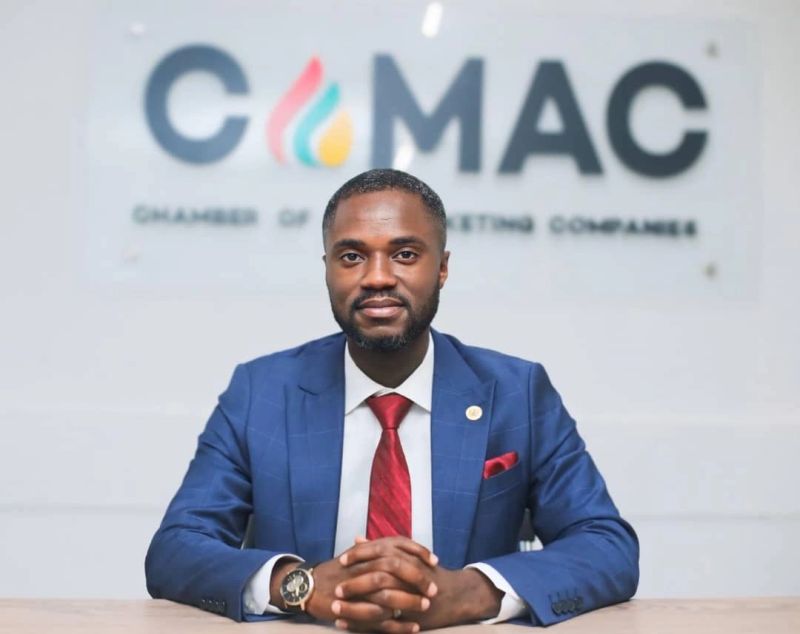
The past year has been a period of significant transformation for COMAC, marked by a successful rebranding initiative, meaningful regulatory engagements, and the establishment of strategic partnerships. These accomplishments have positioned the Chamber as a more visible and influential voice within the downstream petroleum sector.
However, one key reflection is the need for a more anticipatory approach in navigating the rapidly evolving industry landscape. While our responses to emerging challenges have been effective, certain interventions, particularly in the areas of policy and regulatory compliance alignment, were more reactive than ideal.
Going forward, COMAC intends to adopt a more proactive posture. This includes strengthening early engagement mechanisms, enhancing stakeholder consultation processes, and investing in systems that enable timely analysis of industry trends.
9. COMAC has actively engaged with government agencies, including the NPA and the Ministry of Energy and Green Transition. What persistent policy challenges require urgent attention, and how is COMAC addressing them?
Several persistent policy challenges in the downstream petroleum sector require urgent attention. Chief among them are inefficiencies in the implementation of the zonalization policy, the misalignment of the implementation of the Cylinder Recirculation Model (CRM) with current affordability constraints, and the issue of burdensome taxation in the industry.
To address these concerns, COMAC is actively engaging through multiple strategic avenues. Notably, the Chamber holds a seat on the ministerial Petroleum Downstream Sector Reform Committee (PDSRC), which is tasked with reviewing and recommending key regulatory and financial reforms to enhance oversight and improve sector performance. Through this platform, we are providing substantive input aimed at resolving long-standing policy bottlenecks.
In addition, COMAC has produced comprehensive industry white paper, supported by data-driven position papers, to inform and influence policy discussions. We have also leveraged our Downstream Dialogue platform to facilitate high-level engagement between stakeholders, ensuring that reform efforts are inclusive, evidence-based, and aligned with the realities on the ground. These actions reflect our commitment to shaping a more efficient, transparent, and investment-friendly regulatory environment.
Regulatory Compliance and Safety
10. How can emerging technologies further enhance safety standards and regulatory compliance in Ghana’s downstream petroleum sector?
I recognize that emerging technologies hold transformative potential to elevate safety standards and regulatory compliance in Ghana’s downstream petroleum sector.
Digital Monitoring Systems
- The use of IoT-enabled Automatic Tank Gauging (ATG) systems for real-time monitoring of fuel levels, leak detection, and tank integrity at retail outlets and depots.
- OMCs, LPGMCs, and transporters can improve their operations by using GPS and IoT-enabled Bulk Road Vehicle (BRV) tracking to monitor fuel deliveries in real time, detect route anomalies, and prevent theft, applying this system across transportation fleets and delivery routes to enhance supply chain security and efficiency.
- At retail outlets, cloud-based SCADA platforms can integrate data from ATG and BRV systems, enabling OMCs and LPGMCs to remotely monitor fuel levels and deliveries for faster detection and response to issues.
Predictive Analytics Tools:
- OMCs and LPGMCs can use tools like Tableau to analyze ATG and BRV data at retail outlets and refilling plants for early detection of equipment failures and operational anomalies, optimize inventory and delivery management, and automate compliance reporting to improve safety, efficiency, and regulatory adherence.
Partnerships and Collaborations
11. Your collaboration with KNUST’s College of Engineering bridges the gap between academia and industry. How do such partnerships accelerate innovation in Ghana’s energy landscape?
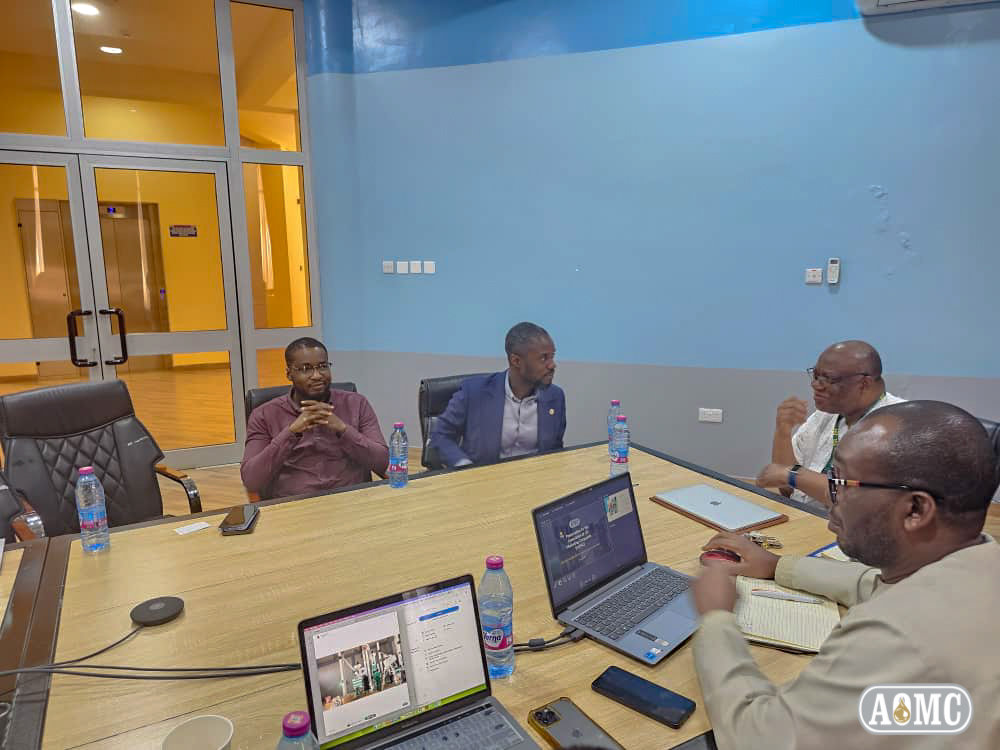
- Our partnership with KNUST’s College of Engineering serves as a vital link between academic research and industry application, helping to accelerate innovation across Ghana’s energy landscape, particularly the downstream petroleum industry.
- This collaboration would facilitate the development of tailored training programs, student internship opportunities, and joint research initiatives that directly address the operational and technological challenges faced by the downstream petroleum sector.
- Key research efforts are focused on practical industry issues such as water management in underground storage tanks, quality assurance enhancement, and strategies to reduce environmental impact.
- In addition, plans are underway to roll out specialized short courses and technical training with certification for personnel in Oil Marketing Companies (OMCs) and LPG Marketing Companies (LPGMCs). These courses will cover advanced topics including tank fabrication, Automatic Tank Gauging (ATG) systems, electric vehicle (EV) charging infrastructure, and solar system installations.
- Through these initiatives, we are equipping the next generation of engineers from the universities and technical institutions with practical, industry-relevant skills, while simultaneously providing our members with innovative, forward-looking solutions. This partnership is a key driver in Ghana’s sustainable and efficient use of its human resources to advance solutions for the energy sector’s pressing challenges.
12. How does COMAC intend to leverage its alliance with organizations like ACEP and PHDC to address systemic energy challenges?
- Building strategic alliances within the downstream petroleum sector is essential to addressing systemic energy challenges, and COMAC fully recognizes the critical role that partners such as the Africa Centre for Energy Policy (ACEP) and the Petroleum Hub Development Corporation (PHDC) play in advancing sector goals.
- Through these alliances, COMAC can facilitate robust policy dialogue, support evidence-based research, and promote strategic investments. These partnerships enhance our advocacy efforts, broaden platforms for knowledge sharing, and enable collaborative initiatives that support long-term sector development, most notably, the Petroleum Hub Project. This ambitious project aims to establish a modern, diversified, and financially sustainable energy economy in Ghana, which will directly benefit COMAC members, particularly those involved in petroleum retail and distribution.
- Furthermore, think tanks like ACEP contribute significantly to regulatory reform by promoting transparency, accountability, and sound policymaking; values that align with COMAC’s vision for a more efficient, competitive, and responsible downstream industry.
- By leveraging these alliances, COMAC strengthens its capacity to influence systemic change and deliver tangible benefits to its members and the broader energy ecosystem.
Awards and Recognition
13. You were honored with the Osagyefo Young Leadership Award at the prestigious Ghana Energy Awards and KNUST’s Distinguished Alumni CEO Award. How do these accolades reflect COMAC’s growing influence under your stewardship?
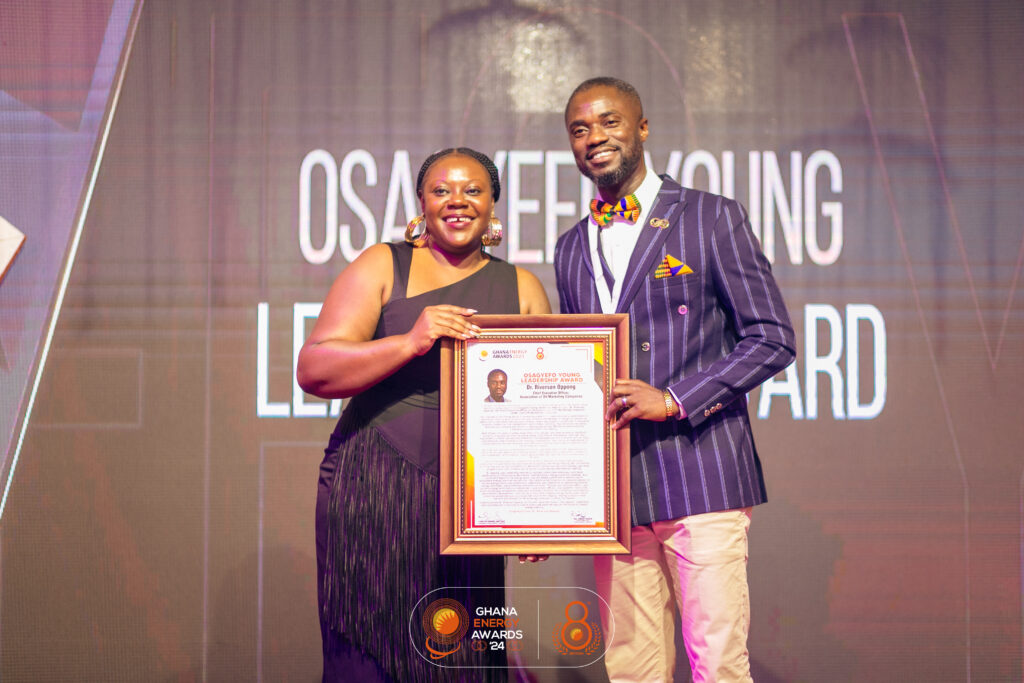
- These awards are not just personal honors; they are a reflection of the collective progress COMAC has achieved under our shared vision. I am deeply grateful to the COMAC Board, staff, and members whose continued support and collaboration have made this recognition possible.
- The accolades acknowledge our steadfast commitment to policy reform, improved safety standards, and stronger industry collaboration. More importantly, they represent a broader endorsement of COMAC’s strategic direction and the impact of our advocacy.
- They affirm that the Chamber is not only influencing critical conversations but is also increasingly seen as a leader in driving transformative change within Ghana’s downstream petroleum sector.
Future Outlook
14. Could you kindly share your vision and strategic plans for COMAC in the years ahead?
As part of our commitment to driving excellence in Ghana’s downstream petroleum sector, COMAC continues to champion initiatives that strengthen industry standards, build capacity, and promote inclusive growth. From advancing self-regulation and expanding affiliate membership to launching a dedicated training institute, we are laying the foundation for a more professional, collaborative, and future-ready energy sector.
Self-Regulation
- COMAC is committed to fostering a culture of self-regulation among its membership within the downstream petroleum sector. We believe the industry should be empowered to set and enforce its standards; promoting accountability, professionalism, and operational excellence from within.
- We aim to foster an environment where high compliance, integrity, ethical conduct, and adherence to safety, regulatory requirements, and corporate governance are standard practice; not the exception. By upholding these higher standards, we build public trust and support the long-term sustainability of our members’ operations.
Affiliate Membership Expansion
- In line with our vision to be the leading advocacy voice of Ghana’s energy sector, COMAC is expanding its reach to include affiliate and non-member stakeholders such as service providers, suppliers, and technical consultants. This inclusive model ensures that all players in the energy ecosystem are engaged in shaping industry direction, contributing to a more cohesive and collaborative sector.
Ghana Institute of Petroleum Studies (GIPS)
- Recognizing the gap in operational training across the industry, COMAC is establishing the Ghana Institute of Petroleum Studies (GIPS); a wholly owned subsidiary dedicated to providing structured, high-quality operational training. For too long, industry training has been primarily regulatory, with limited focus on equipping employees with the hands-on technical skills needed for safe and efficient operations. This gap has contributed to safety lapses and performance inefficiencies at retail outlets.
- GIPS will address this by offering specialized programs tailored to the needs of Oil Marketing Companies (OMCs) and LPG Marketing Companies (LPGMCs) at all organizational levels.
- The curriculum will focus on best practices in downstream operations, with modules on tank management, safety protocols, compliance systems, and more. COMAC will collaborate with recognized universities to provide certification, ensuring the programs meet academic and industry standards. Through GIPS, we aim to raise the competence, confidence, and professionalism of industry personnel, ultimately enhancing the safety and efficiency of the entire sector.
15. What bold initiatives is COMAC prioritizing in the coming year to further transform Ghana’s petroleum industry?
One of COMAC’s key priorities for the coming year is the establishment of a comprehensive Petroleum Downstream Industry Workforce Portal; a bold initiative aimed at professionalizing and securing Ghana’s downstream petroleum workforce.
This digital platform will serve multiple strategic functions:
- Registration, Verification, and Certification: All industry workers, from pump attendants to senior management, will be registered and verified through the portal, ensuring they have undergone appropriate training and certification. This will raise overall competence, enhance operational efficiency, and improve service quality across the sector.
- Certified Talent Pool: COMAC members will gain access to a centralized database of certified professionals, reducing recruitment risks and ensuring that only qualified personnel are engaged in operational roles.
- Fraud Prevention: The portal will also feature a mechanism for identifying and flagging fraudulent companies or individuals. By sharing verified information and alerts, the system will help members protect their businesses from deceptive practices and promote ethical standards.
This initiative is designed to instill a culture of accountability and professionalism throughout the industry. It reflects COMAC’s forward-looking approach to sector transformation; emphasizing not just policy reform, but the systems and infrastructure needed to sustain long-term growth and trust in Ghana’s petroleum industry.
16. How do you intend to build on the momentum of COMAC downstream dialogue event, and are there any upcoming initiatives or projects we should look forward to?
Building on the momentum of the COMAC Downstream Dialogue, our goal is to institutionalize the event every two years, as a cornerstone of sector accountability, tracking industry progress, revisiting key policy targets, and evaluating the implementation of agreed-upon reforms. In addition, future editions would include technical working groups, and progress reports that monitor the implementation of industry commitments.
One of the key upcoming initiatives to look forward to is COMAC Safety Week Celebration 2025, a flagship event dedicated to reinforcing the industry’s commitment to safety and operational excellence, Theme: “Championing Safety, Elevating Operational Excellence”.
This initiative is designed to educate, engage, and remind all stakeholders within the downstream petroleum sector of the critical importance of upholding and continuously improving safety standards at every operational level. Through training workshops, site audits, and panel discussions, COMAC Safety Week will serve as a rallying point for reinforcing best practices and highlighting innovations that enhance workplace safety.
It is part of our broader strategy to instill a culture where safety is not just a compliance requirement, but a core value and competitive advantage for businesses across the sector.
17. As the world transitions from fossil fuels to cleaner energy sources, what is your outlook for COMAC’s future? How are you strategically positioning your members’ interests and investments in response to this evolving energy landscape?
- As the global energy landscape shifts toward cleaner and more sustainable sources, COMAC recognizes the need for a balanced and strategic approach to ensure our members remain relevant, resilient, and competitive. Ghana’s energy transition framework; which includes targets such as widespread CNG vehicle adoption by 2030, 10% biofuel blending, 70% LPG penetration by 2070, and a significant reduction in fuel sulfur content. This presents both opportunities and challenges for the downstream sector.
- COMAC is positioning itself and its members at the forefront of the energy transition by advocating for clear, phased regulatory frameworks and encouraging industry investment in clean technologies. We are actively engaging with regulators to address policy bottlenecks that delay the introduction of biofuels and impede the broader adoption of renewable energy solutions across the sector.
- Strategically, we are encouraging our members to adopt a dual-investment approach; sustaining hydrocarbons where necessary while integrating renewable energy solutions. Initiatives such as solar-powered fuel stations, which can yield 20–30% operational cost savings, and the development of EV charging infrastructure at OMC and LPGMC outlets are already being explored as new business opportunities aligned with the energy transition.
- We are also working to improve access to financing by advocating for more flexible lending terms and de-risking mechanisms for green investments. COMAC’s goal is to serve as both a catalyst and a conduit; guiding members through the transition while ensuring they capitalize on emerging opportunities in a low-carbon energy future.
18. Amid global energy uncertainties, how is COMAC ensuring Ghana’s resilience against fuel price volatility and supply chain disruptions?
Amid ongoing global energy uncertainties; driven by geopolitical tensions, market fluctuations, and supply chain constraints, COMAC remains focused on safeguarding the businesses of Oil marketers and the interrupted supply of petroleum products to our cherished consumers we serve.
Fuel Price Stability Advocacy:
- COMAC continues to engage with government and regulatory bodies to advocate for fair and transparent pricing mechanisms, including a review and optimization of the existing tax regime. These efforts aim to stabilize fuel prices for consumers while safeguarding the financial sustainability of our members.
Infrastructure Development:
- We are advocating strategic investments in domestic refining capacity to reduce reliance on imported refined petroleum products. This will help insulate the country from external supply shocks and currency fluctuations. Additionally, COMAC supports the expansion of pipeline networks and depot storage facilities to enhance logistical efficiency.
- Subsequently, we are supporting improving the operational efficiency of the Bulk Energy Storage and Transportation (BEST) Company, which is critical. By focusing on the effective management of national fuel reserves and addressing logistical bottlenecks, BEST can play a vital role in ensuring a consistent and reliable fuel supply.
Supply Diversification and Energy Alternatives:
- COMAC is also promoting diversification of supply sources and encouraging regional cooperation to broaden access to alternative fuels such as LPG, compressed natural gas (CNG), and biofuels. These alternatives form part of a long-term strategy to enhance energy security and reduce the sector’s vulnerability to global market fluctuations.
Through targeted policy engagement, infrastructure advocacy, and support for clean energy solutions, COMAC is proactively positioning Ghana’s downstream petroleum sector to remain stable, adaptable, and resilient in an increasingly volatile global energy environment.
Source: Energy Ghana