

European airline executives warned on Thursday that a prolonged war in the Middle East could trigger higher airfares and disrupt jet fuel supplies, as the aviation industry grapples with rising operating costs.
Speaking on the sidelines of an aviation conference, Michael O’Leary, chief executive of Ryanair, said the longer the conflict persists, the more severe the impact will be for airlines and passengers.
The conflict, now in its third week, has forced airlines to cancel or reroute flights as airspace over much of the Gulf region remains closed due to fears of missile and drone attacks.
Jet fuel prices have surged since U.S. and Israeli strikes on Iran began in late February, with prices in Europe doubling and those in Asia climbing nearly 80%, significantly increasing airline operating expenses.
While many European carriers have temporarily shielded themselves through fuel hedging contracts, industry leaders warned that these protections will expire in the coming months, potentially exposing airlines to further cost pressures.
At the annual summit of Airlines for Europe, airline chiefs also urged the European Union to delay certain climate policies requiring the use of synthetic sustainable aviation fuel starting in 2030.
However, EU transport commissioner Apostolos Tzitzikostas rejected the request, insisting the bloc would maintain its climate targets and urging airlines to continue investing in greener fuel technologies.
Executives from carriers including Air France-KLM and Finnair warned that the conflict could also disrupt fuel shipments through the strategically vital Strait of Hormuz, raising concerns about possible supply shortages.
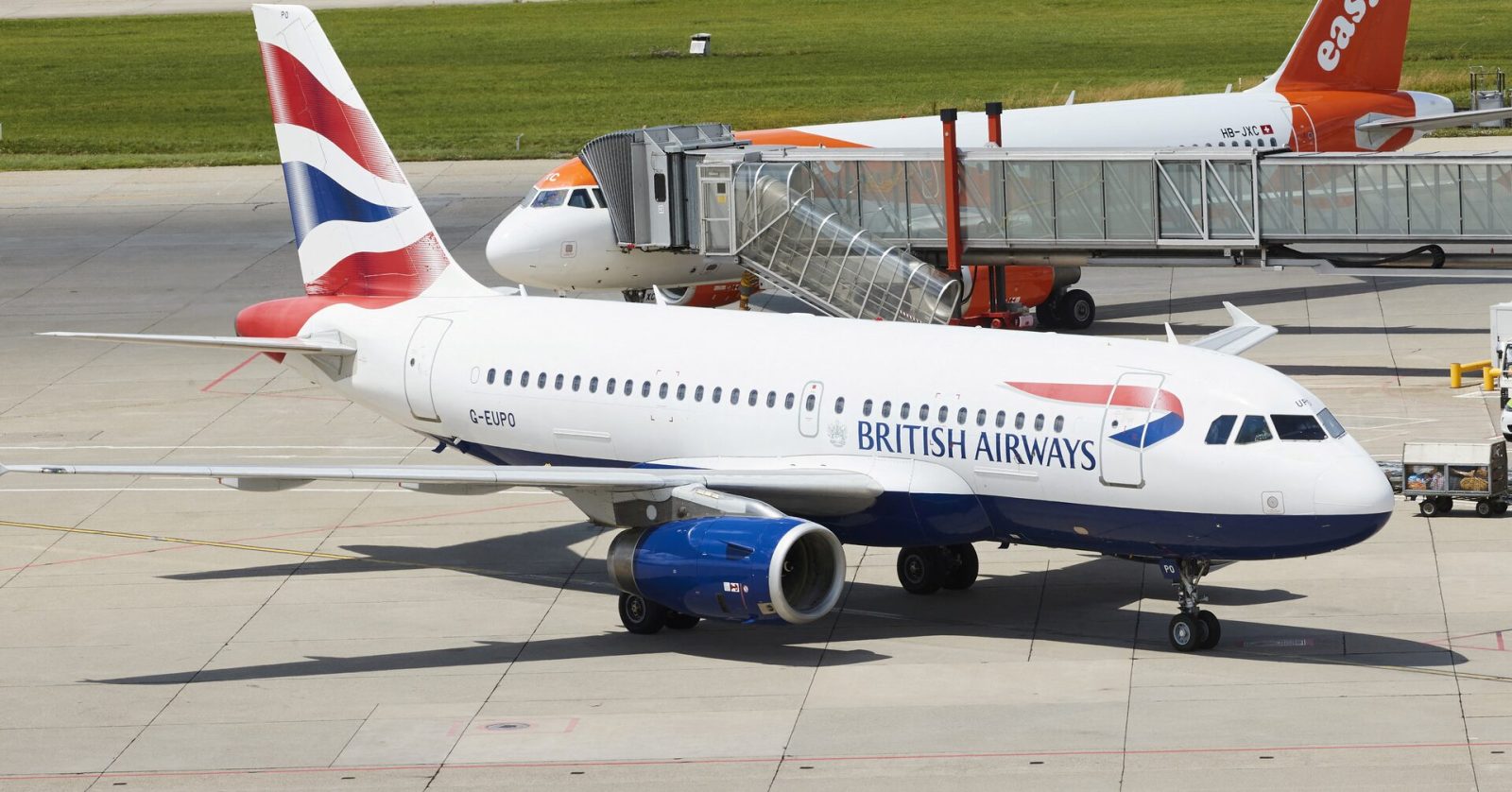
Some airlines have already begun adjusting their networks, with British Airways expanding flights to the Caribbean while Lufthansa prepares to launch a new route to Kuala Lumpur as travel demand shifts.
Industry leaders, including Willie Walsh of the International Air Transport Association, said it was too early to determine the long-term impact but warned the crisis could reshape global aviation, adding that there are ultimately “no winners” from the conflict.