
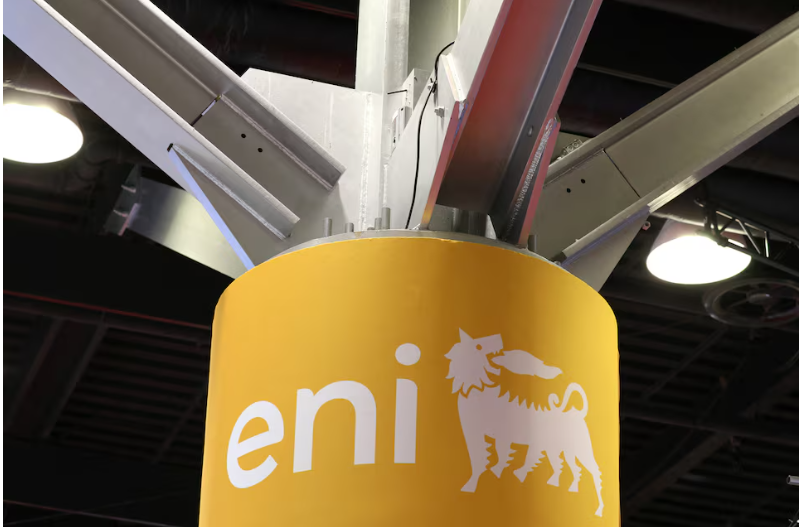
Italian energy major Eni on Friday announced a sharp increase in its share buyback programme to 2.8 billion euros, nearly doubling prior plans, as it raised its outlook for commodity prices following the ongoing Iran conflict.
The move reflects the group’s expectation that elevated oil and gas prices will persist into 2026, strengthening cash flow prospects.
The Rome-based company reported a first-quarter adjusted net profit of 1.3 billion euros, slightly down from 1.4 billion euros a year earlier and below analyst forecasts of 1.5 billion euros.
The decline was attributed to heavy maintenance at refining facilities and continued pressure on margins in its chemicals division.
Analysts noted that the weaker quarterly performance could position Eni for improved results in the second quarter, as maintenance activities ease.
Meanwhile, industry peers have benefited from trading gains linked to the energy supply disruptions triggered by the Iran war, helping cushion operational challenges.
Chief Executive Claudio Descalzi recently indicated the company is exploring a partnership with a commodity trader to build its own trading arm, aiming to capture additional value from volatile energy markets.
Eni also upgraded its 2026 guidance, forecasting stronger Brent crude and gas prices alongside improved refining margins. The company now expects annual cash flow to reach 13.8 billion euros, up from a previous estimate of 11.5 billion euros.
Shares in Eni rose about 1.2% in morning trading following the announcement. The improved outlook and shareholder returns signal confidence in sustained market strength driven by geopolitical tensions.
Production rose 9% in the quarter, supported by new projects in West Africa, Norway and Angola, as well as stable operations. This growth helped offset limited disruptions linked to instability in the Middle East.
Additionally, Eni’s majority-owned subsidiary Vaar Energi has indicated it could issue an extraordinary dividend this year if elevated energy prices persist, further enhancing investor returns.
Overall, the company’s strategy underscores a focus on leveraging higher commodity prices while managing operational headwinds, positioning itself to benefit from prolonged market tightness.
The developments come amid broader shifts in global energy markets, where geopolitical risks continue to reshape supply dynamics and corporate strategies across the sector.