
Ghana risks falling short of its energy transition (ET) goals unless it strengthens progress tracking mechanisms and allocates consistent funding, according to Dr. Steve Manteaw, Co-chair of the Ghana Extractive Industries Transparency Initiative (GHEITI).
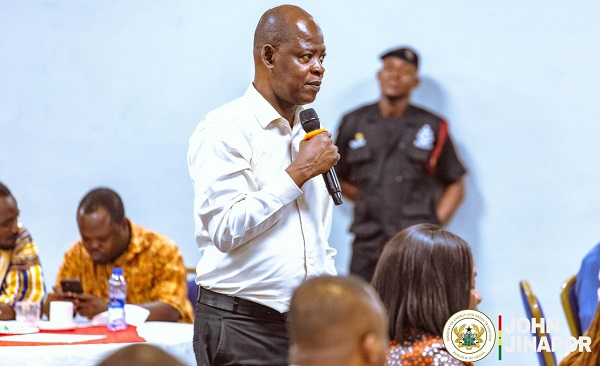
Speaking at a stakeholder forum on Ghana’s Energy Transition Framework held in Accra on May 27, 2025, Dr. Manteaw emphasized the need for clearly defined baselines and measurable benchmarks to evaluate the effectiveness of interventions. He called for annual budget reviews to reflect dedicated allocations for ET initiatives, ensuring transparency, accountability, and tangible results.
Ghana’s Energy Transition Framework, adopted in 2022, outlines the country’s roadmap toward net-zero emissions by 2070. Achieving this target is estimated to cost $562 billion and includes critical milestones such as reaching 99.8% electricity access by 2030, lowering generation costs, improving indoor air quality, and expanding clean cooking solutions,particularly to benefit women and children.
While Ghana has made notable progress, including surpassing 89% electricity access and advancing nuclear and gas projects, coordination across sectors remains a challenge. Dr. Manteaw underscored the need for cross-sectoral alignment, noting that the energy transition intersects with transportation, industrial processes, and mineral exploitation.
Hosted by the Natural Resource Governance Institute (NRGI), the forum also featured remarks from NRGI Africa Director, Nafi Chinery, who raised concerns about the limited collaboration among institutions. She called for enhanced engagement from key agencies such as the Ghana National Petroleum Corporation (GNPC) and the Ministry of Lands and Natural Resources to unlock the full potential of Ghana’s transition minerals in driving green energy ambitions.
The forum highlighted the urgency of strategic planning, institutional synergy, and financial commitment to successfully deliver Ghana’s long-term energy transition vision.