
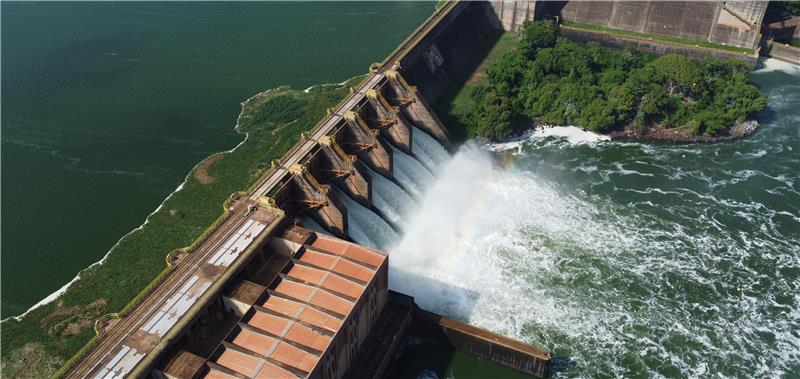
Africa’s vast hydropower potential remains largely untapped, with the continent currently harnessing only 10 percent of its estimated 350 gigawatt capacity despite growing energy demand and the urgent need for cleaner power generation.
Current hydropower installations across Africa total just 47 gigawatts, with financing constraints continuing to delay several major projects across the continent.
Energy analysts say Africa’s nearly two trillion dollars in domestic capital, including pension funds and sovereign wealth funds, presents a major opportunity to accelerate greenfield hydropower projects while reducing reliance on foreign lenders and multilateral financiers.
At the center of discussions on alternative financing models is Ethiopia’s 4.8 billion dollar Grand Ethiopian Renaissance Dam (GERD), which was largely developed without direct funding from major international financial institutions.
The Commercial Bank of Ethiopia reportedly financed about 91 percent of the project’s construction costs, demonstrating the role domestic and regional financing can play in delivering large-scale strategic infrastructure.
Analysts believe the GERD financing structure offers a potential blueprint for other African countries seeking to expand hydropower generation while limiting dependence on external borrowing.
The call comes as Africa’s debt burden continues to rise, with the continent’s total debt estimated at more than 707 billion dollars.
Experts are therefore urging governments and financial institutions to redirect a portion of Africa’s domestic capital toward energy infrastructure to accelerate hydropower deployment, strengthen energy security and support long-term economic growth.