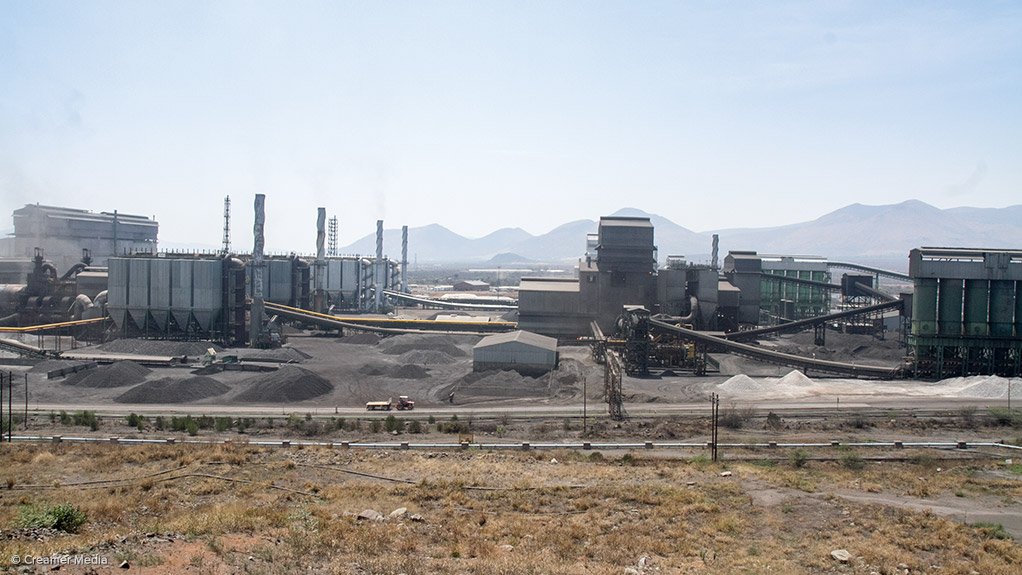

South Africa’s Lion ferrochrome smelter has resumed operations after being shut for nine months, following a major reduction in electricity tariffs that eased crippling production costs in the country’s power-intensive mining sector.
The plant, owned by a joint venture between Merafe Resources and Glencore, restarted this week after the national energy regulator approved a 35% cut in its power tariff, reducing costs to about 88 cents per kilowatt hour.
The restart comes after Lion Smelter, along with two sister plants, was shut in May 2025 as electricity prices—up more than 900% since 2008—made operations commercially unviable, forcing widespread closures across South Africa’s chrome-processing industry.
More than a dozen smelters have closed in recent years, costing thousands of jobs and allowing China to overtake South Africa as the world’s leading processor of chrome ore.
Merafe said the latest tariff relief allowed Lion Smelter to reopen but warned it was still insufficient for long-term sustainability, noting that all three plants would need power prices of about 62 cents per kilowatt hour to operate viably.
The Boshoek and Wonderkop smelters remain mothballed as negotiations with the authorities continue over deeper and more permanent electricity discounts.
The Glencore–Merafe venture last year suspended mass layoffs while seeking a deal that could secure the future of its operations and protect thousands of workers.
Merafe said it aims to conclude a long-term power agreement by February 28, a deadline tied to whether job-cut procedures at the idle plants will resume.
South Africa, once the dominant force in global ferrochrome production, is now racing to restore competitiveness as soaring energy costs continue to erode its industrial base.
The Lion Smelter’s restart is being seen as an important test of whether targeted power-price relief can help revive the country’s struggling mineral-processing sector.