
Social and commercial activities across parts of Niger State have been severely disrupted for more than two weeks due to prolonged shortages of potable water and unreliable electricity supply.
The crisis has been linked to operational challenges facing the State Water and Sanitation Board, compounded by inadequate electricity supply from the Abuja Electricity Distribution Company (AEDC), which distributes power in the state. Authorities from both institutions have yet to provide detailed public explanations.
Reports indicate that the water board suspended operations after running out of essential water treatment chemicals, reportedly due to delays in the release of government funding. The situation worsened when electricity supply to major water treatment facilities declined, making plant operations unsustainable despite earlier efforts to purchase power tokens to keep services running.
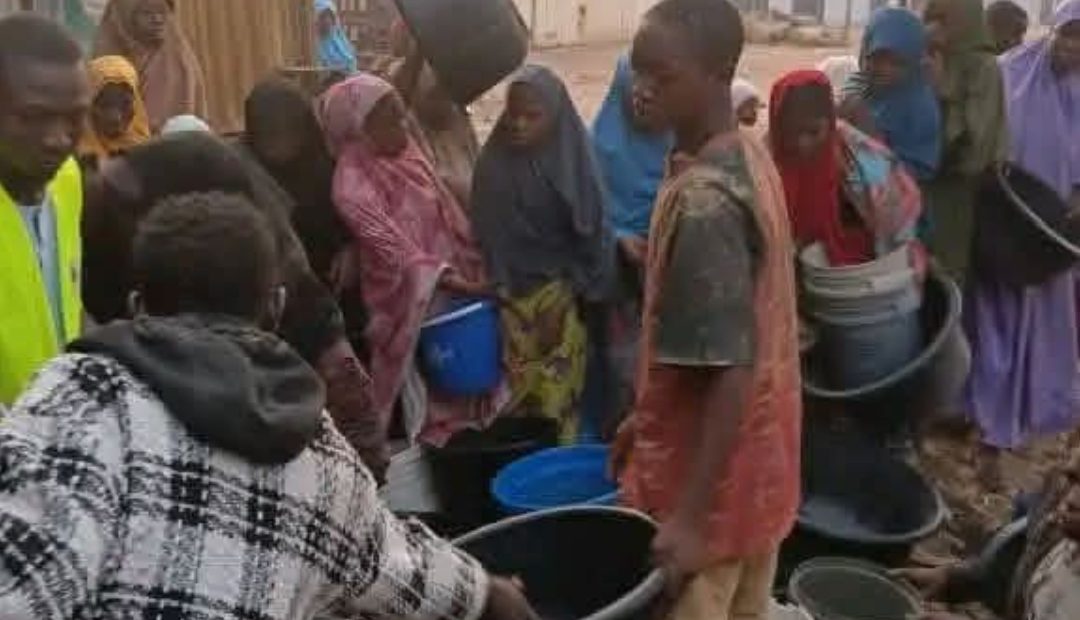
The shutdown has forced residents to rely on alternative water sources, with households increasingly purchasing water from private borehole operators and vendors at significantly higher prices. Many families now spend long hours searching for water for domestic use.
Electricity supply across the state has also been heavily rationed, leaving some communities without power for two to three days at a time, while others receive only a few hours of electricity daily. The outages have affected businesses, government services and everyday economic activities.
Concerned residents recently raised the issue with Governor Mohammed Umaru Bago, who assured that measures were being taken to address the situation. Meanwhile, the Niger State House of Assembly stepped down an urgent motion seeking legislative intervention, citing ongoing efforts by the state government to resolve the crisis and ease the hardship faced by residents.