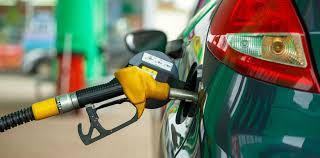

Ghana’s Acting CEO of the National Petroleum Authority (NPA), Godwin Edudzi Tameklo, has assured citizens that the country holds sufficient fuel reserves—over 200 million litres of petrol and 150 million litres of diesel—to meet demand for more than two months.
Speaking at a briefing with the Parliamentary Select Committee on Energy in Senchi on Saturday, Tameklo emphasised that ongoing global tensions, particularly between Israel and Iran, will not disrupt Ghana’s fuel supply.
He revealed that petroleum-loaded vessels are already anchored in Ghanaian waters, and Nigeria’s Dangote refinery is significantly contributing to the region’s fuel supply, helping to cushion any external shocks.
The 17-member Energy Committee, led by Emmanuel Kwasi Bedzrah, is currently touring the sector to evaluate performance, address challenges, and explore future plans with major energy stakeholders.
Tameklo also addressed public concerns surrounding the proposed GH₵1 fuel levy, noting that the Ministry of Finance and the Ghana Revenue Authority are monitoring the global impact of the Middle East conflict before making any decisions.
He mentioned that the initial June 16, 2025 rollout of the levy was postponed due to stakeholder consultations, including last-minute inputs from the Chamber of Bulk Oil Distributors and the Finance Minister.
The Chamber of Oil Marketing Companies is expected to be consulted next to ensure transparency and national consensus before implementation of the policy.
In response to calls from the Minority in Parliament to repeal the Energy Sector Levies Act (ESLA), Tameklo argued that the demand lacks a credible alternative for sustaining the country’s fuel needs.
He highlighted the government’s effort in stabilising the exchange rate, which has led to a GH₵4 drop in fuel prices—an immediate relief for Ghanaian consumers.
Despite global concerns, Tameklo expressed optimism that ongoing diplomatic efforts will ease tensions between Israel and Iran, reaffirming the government’s resolve to maintain energy stability and protect consumers.