

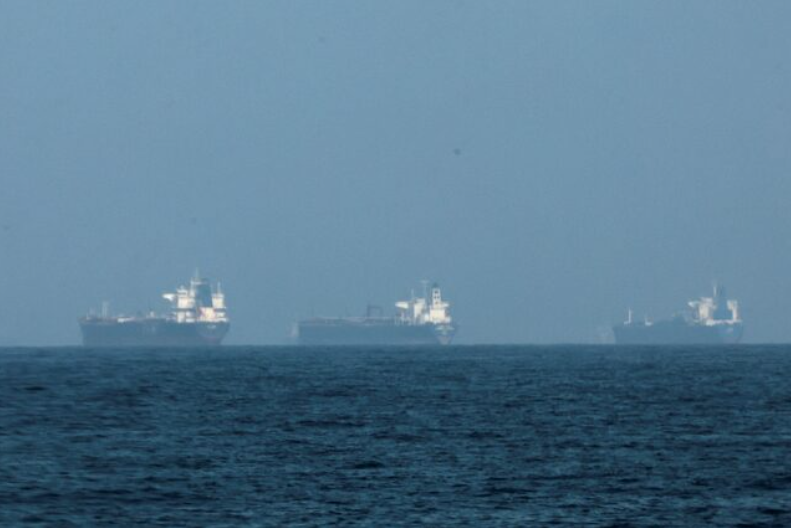
Shipping through the Strait of Hormuz remained largely paralysed for a fifth straight day on Wednesday after a U.S. submarine strike hit an Iranian warship off the coast of Sri Lanka, widening the conflict between Washington and Tehran.
The escalation comes as U.S. President Donald Trump pledged naval escorts and political-risk insurance to protect vessels exporting Middle East oil and gas, aiming to steady global energy markets rattled by the crisis.
At least 200 ships, including crude oil tankers, LNG carriers and cargo vessels, were stranded in open waters near key Gulf producers such as Iraq, Saudi Arabia and Qatar, according to ship-tracking data from MarineTraffic.
Hundreds more vessels were unable to enter the Strait, a vital corridor that carries roughly one-fifth of global oil and LNG supplies.
A Maltese-flagged container ship, Safeen Prestige, was damaged by a projectile near the northern end of the Strait, forcing its crew to abandon the vessel, shipping sources said.
Energy production has begun to feel the strain. Qatar suspended gas output while Iraq cut oil production after storage facilities filled up amid the shipping freeze.
Saudi Arabia, the UAE and Kuwait were also struggling to load crude cargoes, though it remained unclear whether they had reduced output.
In a rare transit, the Suezmax tanker Pola passed through Hormuz on Tuesday to load crude in the UAE after briefly switching off its AIS tracking signal, industry sources said.
Oil prices, which have risen about 12% since the conflict began on Saturday, eased slightly on Wednesday, though Goldman Sachs raised its second-quarter forecasts for Brent and WTI crude, citing risks of prolonged disruption and declining OECD inventories.
Asian refiners, which depend on the Middle East for about 60% of their crude imports, are scrambling to secure alternative supplies.
Buyers in Indonesia and Japan are seeking additional U.S. barrels, while Indian firms are weighing increased purchases from Russia.
Adding to market concerns, Saudi Aramco’s Ras Tanura refinery and export terminal was reportedly struck on Wednesday, according to four sources familiar with the matter, raising fears of deeper supply disruptions.