
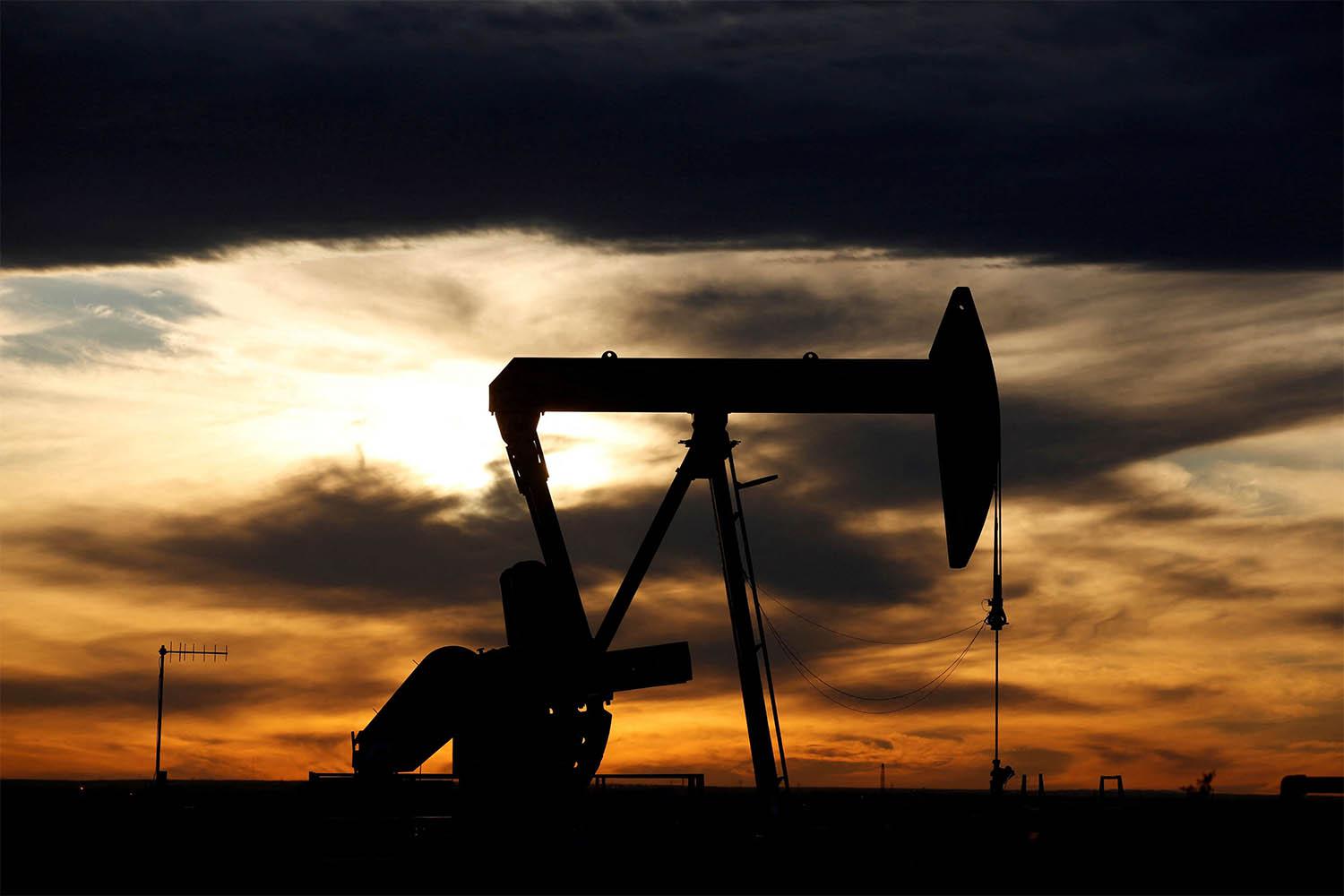

OPEC+, led by Saudi Arabia and Russia, is ramping up oil production in a strategic move to reclaim global market share and challenge struggling U.S. shale producers.
The decision, made on May 3, 2025, follows years of restrained output by OPEC+ and coincides with a drop in U.S. shale profitability due to rising costs, inflation, and depleted high-yield fields.
Sources told Reuters that although the group hasn’t formally declared a price war, it aims to push oil prices below $60 per barrel—a threshold that would strain U.S. shale operations.
American producers, particularly in the Permian Basin, now need at least $65 per barrel to remain profitable, making them more vulnerable than during the last OPEC price war a decade ago.
With U.S. oil firms reducing rig counts and output forecasts, OPEC+ sees an opportunity to regain dominance in a market where its share has fallen from 40% to under 25%.
Saudi Arabia, with its ultra-low production costs, and Russia, now aligned with the strategy, view increased output as a way to discipline over-producing members and outlast competitors.
The move could also help Russia export oil under the $60 G7 price cap amid sanctions, while still hurting rivals like the U.S., where economic policies and tariffs have dampened energy growth.
Industry leaders warn that this strategy risks wider damage: bankruptcies among shale firms, job losses, and fiscal strain even for OPEC nations dependent on higher oil revenues.
Despite the risks, Saudi Arabia appears ready for short-term pain, signaling its willingness to endure prices around $60 per barrel, even if it means borrowing to balance its budget.
With global oil prices falling below $60 and uncertainty rising, the world may be witnessing a renewed power struggle in the energy sector—one that could reshape oil markets once again.